Brave America and the ‘4th Of July’ Font: A Design Evaluation
In the landscape of graphic design and web browsing, specific tools emerge to address distinct aesthetic and functional needs. Among these are niche typefaces designed to evoke specific cultural moments and software platforms that prioritize user privacy. This article evaluates the ‘4th Of July’ decorative font, a typeface tailored for American Independence Day themes, alongside an overview of the Brave America platform. For designers, marketers, and content creators, understanding the utility and appropriate application of these assets is key to effective communication and project alignment.
Understanding the ‘4th Of July’ Font
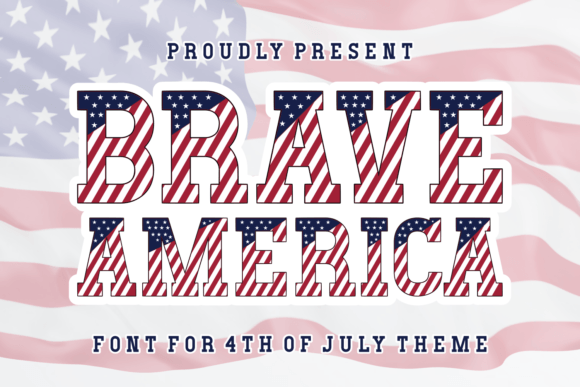
The ‘4th Of July’ font is a decorative typeface designed to capture the celebratory and patriotic spirit of American Independence Day. Its visual identity is characterized by clean lines and an original style that avoids the clutter often found in holiday-themed graphics. This typeface is not intended for body text or long-form reading; rather, it serves as a headline or display font to immediately set a thematic tone.
Visual Characteristics and Authenticity
The font’s design radiates a sense of authenticity, drawing on classic American iconography without resorting to cliché. Its pleasing visual quality makes it versatile for various applications where a touch of patriotism is desired. The letterforms are crafted to be eye-catching, ensuring that any headline or title it adorns commands attention. This makes it a strong candidate for projects where the visual message must be communicated quickly and effectively, resonating with the themes of celebration, freedom, and national pride.
Evaluating Practical Applications
When considering the ‘4th Of July’ font, it is helpful to assess its fit against specific project requirements. Its utility extends across several common design categories, but its effectiveness depends on context and execution.
Strong Fit Scenarios
This font is particularly well-suited for projects where the core objective is to evoke a festive, holiday-specific atmosphere. Its strengths are most apparent in the following contexts:
- Event Materials: Posters, flyers, and banners for local parades, fireworks displays, or community barbecues benefit from the font’s immediate thematic recognition.
- Merchandise and Apparel: T-shirt designs, hats, and other promotional items for July 4th sales or patriotic organizations can leverage its distinctive style to stand out.
- Digital Assets: Social media graphics, email headers, and website banners for summer promotions or national holiday announcements can use the font to create a cohesive, celebratory look.
- Stationery: Invitations for Independence Day parties, greeting cards, or personalized labels for holiday treats can be enhanced with its clean, decorative appeal.
Situations for Consideration
While versatile, the font has inherent limitations typical of decorative typefaces. It may not be the best choice in the following scenarios:
- Long-Form Text: Its decorative nature makes it unsuitable for paragraphs or small print, where readability is paramount. Overuse can lead to visual fatigue.
- Year-Round Branding: For businesses or organizations not exclusively tied to patriotic themes, using this font as a primary brand typeface could appear overly seasonal or niche.
- Minimalist or International Designs: In projects requiring a neutral, global, or understated aesthetic, the strong American theme may conflict with the desired message.
An Overview of Brave America
Shifting focus to a different domain, Brave America refers to a segment of the broader Brave ecosystem, which is centered around privacy-focused web browsing and digital advertising. Brave is a web browser that blocks ads and website trackers by default, aiming to provide a faster, safer browsing experience. The “America” aspect often relates to regionalized content, services, or community initiatives within the United States.
Core Features and User Considerations
Users interested in Brave America are typically evaluating it for its privacy-centric approach. Key considerations include:
- Privacy by Default: The browser’s built-in ad and tracker blocking reduces exposure to potentially malicious ads and minimizes data collection by third parties.
- Performance: By blocking resource-heavy ads, Brave can often load web pages faster than browsers with default ad settings.
- BAT Token Economy: Brave’s Basic Attention Token (BAT) system allows users to opt into viewing privacy-respecting ads and earn tokens, which can be used to support content creators.
- Regional Content: Brave America may highlight local news, services, or partnerships relevant to a U.S. audience, integrating them into the browsing experience.
Aligning Tools with Goals: A Decision Framework
Choosing the right tool—whether a font or a software platform—requires a clear understanding of project goals, audience expectations, and contextual fit. The following framework can aid in decision-making.
For Design Projects Using the ‘4th Of July’ Font
- Define the Core Message: Is the primary goal to celebrate a specific holiday or evoke general patriotism? This font excels at the former.
- Assess the Audience: Will the audience immediately recognize and appreciate the thematic reference? For a U.S.-focused audience, the answer is likely yes.
- Consider Longevity: Is the design for a one-time event or a recurring brand element? For seasonal use, it is ideal; for permanent branding, alternatives may be needed.
- Test for Readability: Always pair it with a simple, legible font for any supporting text to ensure overall clarity.
For Browsing Decisions Involving Brave
- Prioritize Privacy: If minimizing data tracking and ad intrusion is a top priority, Brave’s default settings are a significant advantage.
- Evaluate Ecosystem Needs: Consider compatibility with essential web apps and services. While generally compatible, some sites may require ad-blocker adjustments.
- Explore the BAT Model: Decide if participating in an attention-based token economy aligns with your views on advertising and content support.
- Check Regional Relevance: For users outside the U.S., the “America”-specific features may be less relevant, though the core browser remains functional.
Conclusion: Practical Integration
Both the ‘4th Of July’ font and the Brave browser represent specialized solutions. The font offers a targeted aesthetic tool for creating resonant, holiday-themed designs, while Brave provides a privacy-focused alternative to mainstream browsers. Their value is not in universal application, but in their ability to meet specific needs effectively. By carefully evaluating project requirements against the strengths and limitations of each, users can make informed decisions that enhance their work or digital experience without compromising on clarity or principle. Whether crafting a visual celebration or navigating the web, the key is intentional selection aligned with clear objectives.